Alcohol Withdrawal Management
Alcohol withdrawal can occur when a person who has been drinking alcohol heavily or regularly suddenly reduces or stops alcohol consumption.
The severity of withdrawal can vary significantly between individuals. Some people may experience relatively mild symptoms, while others can develop serious complications requiring urgent medical attention.
Dr. Saurabh Rokde provides medical evaluation for patients experiencing symptoms associated with alcohol withdrawal in Bhandara. The first step is to understand the person's drinking history, recent alcohol intake, previous withdrawal episodes, existing medical conditions, medications, and current symptoms.
Common withdrawal symptoms can include anxiety, restlessness, sweating, tremors, nausea, vomiting, headache, difficulty sleeping, irritability, and increased heart rate. Symptoms may begin after reducing or stopping alcohol and can change in severity over time.
In some patients, withdrawal can become severe and may involve confusion, hallucinations, seizures, significant changes in blood pressure or heart rate, or a severe state of agitation. These symptoms require urgent medical assessment because severe alcohol withdrawal can be dangerous.
Medical evaluation is particularly important for people with a history of severe withdrawal, seizures, significant liver disease, nutritional deficiencies, or other medical conditions. A supervised approach can help assess the risk and determine the appropriate level of care.
Management depends on the severity of withdrawal and the patient's overall condition. Medical treatment may involve monitoring vital signs, managing symptoms, correcting fluid or nutritional problems, and using prescribed medicines when clinically appropriate.
Alcohol withdrawal should not be managed through self-medication. Taking sedative medicines without medical supervision can be dangerous, particularly when combined with alcohol or other substances.
Long-term care may also involve addressing alcohol dependence and associated health problems. Patients may benefit from medical counselling, behavioural support, addiction-focused care, and follow-up depending on their individual circumstances.
Patients with liver disease who regularly consume alcohol should discuss their alcohol use openly with their doctor. Alcohol can contribute to liver injury and may complicate the management of existing liver conditions.
Dr. Saurabh Rokde provides confidential and individualized medical evaluation for patients experiencing alcohol-related health concerns. The focus is on safe assessment, management of withdrawal symptoms when appropriate, and identification of associated medical problems.
Patients in Bhandara and nearby areas experiencing significant withdrawal symptoms should seek medical attention rather than attempting to manage severe symptoms without supervision.

More Services
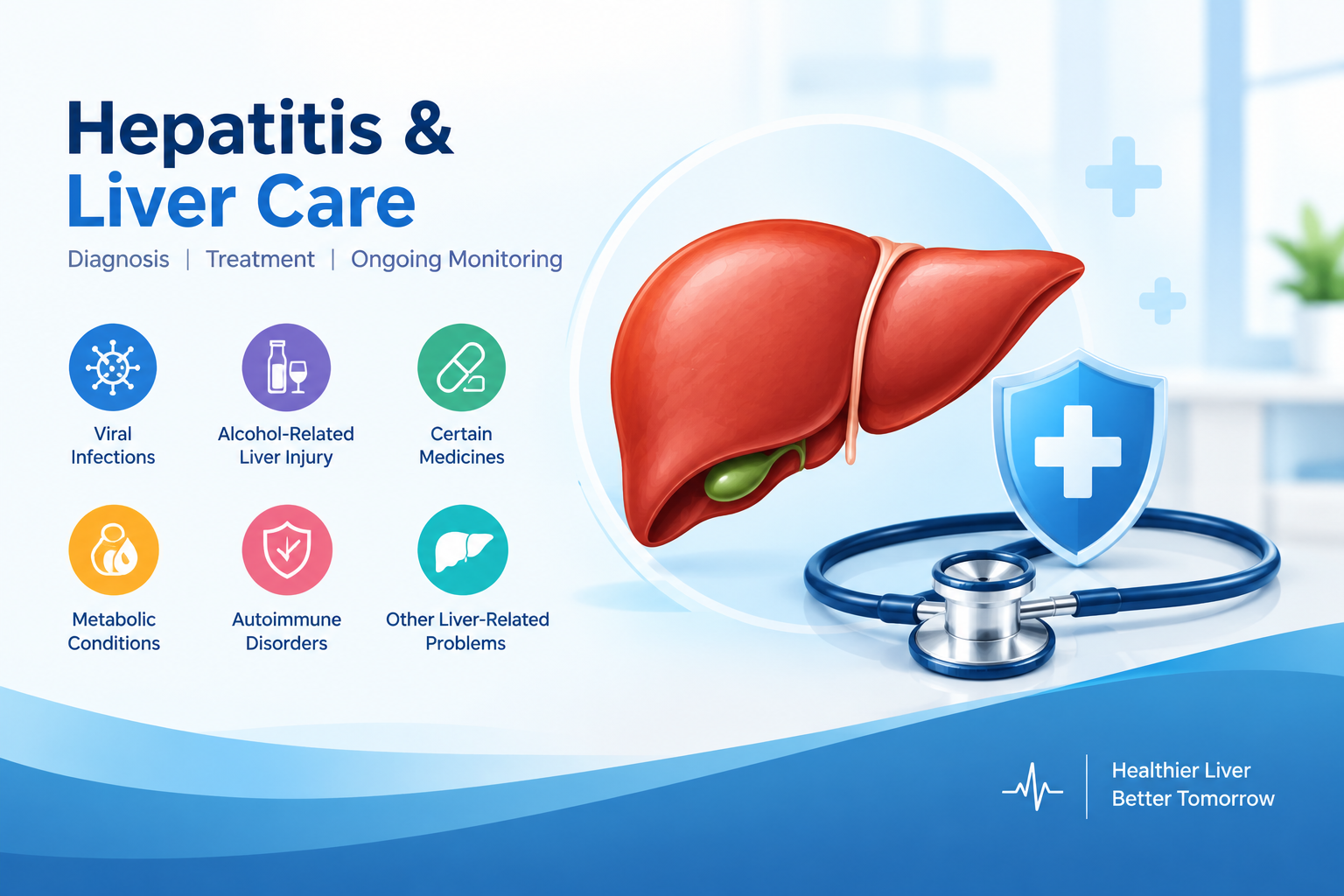
Hepatitis Management

Fever Management

Diabetes Management

Hypertension Management

Thyroid Disorders

Bronchitis Management

Ulcerative Colitis Management

Chronic Abdominal Pain Management

Ascites Management

Hepatic Encephalopathy Management

Headache Management

Colonoscopy

2D Echocardiography